Maltese
Pastizzi tal-Irkotta (Maltese Ricotta Pastries)
Malta's beloved flaky pastries filled with seasoned ricotta. Crisp, golden, and best eaten warm from the oven.
Malta's beloved flaky pastries filled with seasoned ricotta. Crisp, golden, and best eaten warm from the oven.
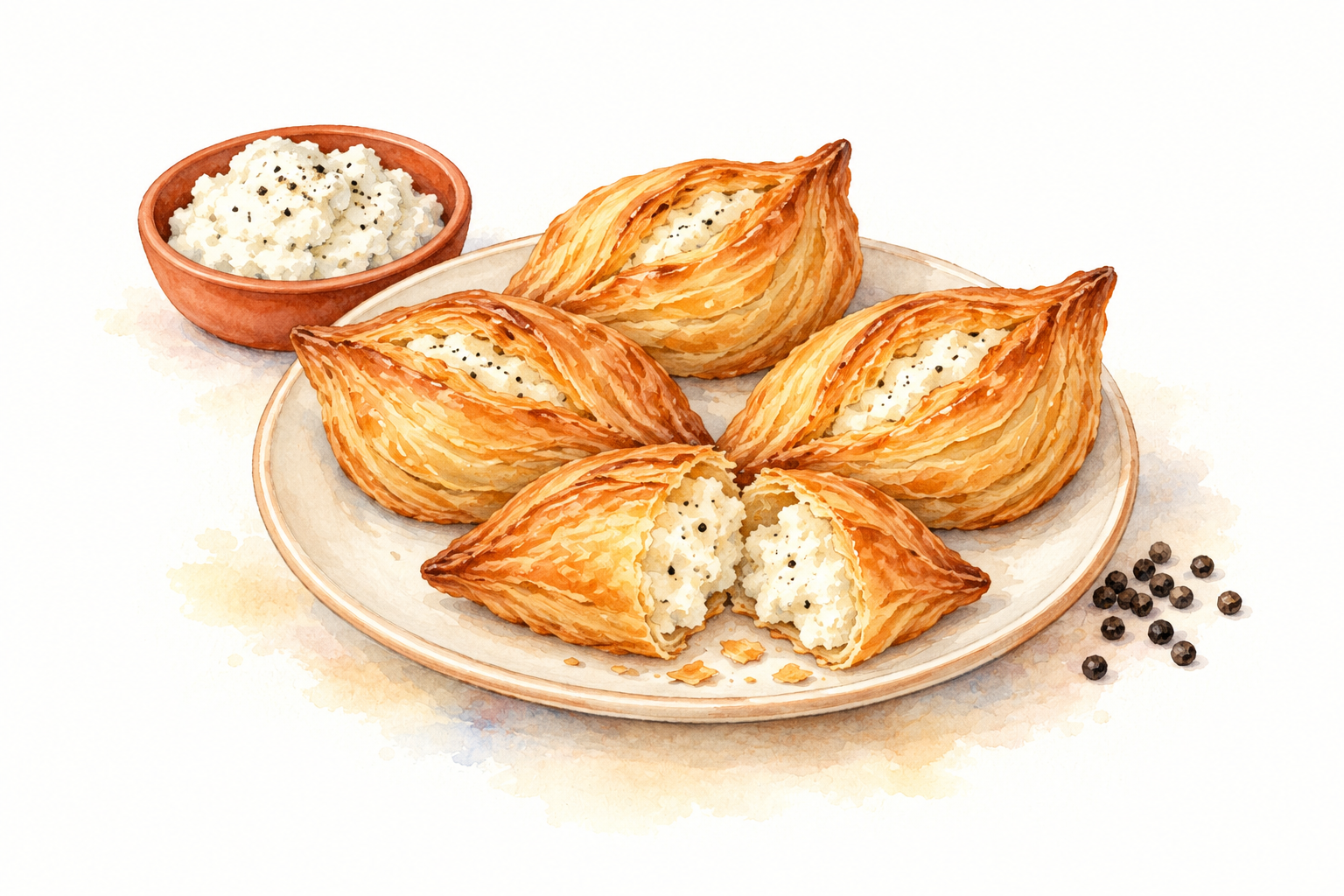
Bright, satisfying and built for real life.
This recipe brings together the generous flavours of Maltese cooking in a format that works on a busy day. Read through the method before starting and adjust seasoning to your taste.
Ingredient notes & swaps
- Use plain unsweetened ricotta and drain it well before mixing. Firm baking margarine or butter is suitable for the listed pastry; low-fat spread is not the same product. Ready-made puff pastry is a home shortcut with a different texture, so follow its pack's baking guidance. Plain flour is all-purpose flour.
The recipe
Pastizzi tal-Irkotta (Maltese Ricotta Pastries)
Ingredients
Ingredients
Method
- 1
Make the dough: Mix the flour and salt in a large bowl. Add the cold water gradually and knead for 8-10 minutes until smooth, elastic, and only slightly tacky. Cover and rest for 20 minutes.
- 2
Stretch and fatten the pastry: Lightly oil the work surface. Roll or stretch the dough into a thin rectangle, spreading softened margarine or butter over the surface. Fold into thirds, rest for 15 minutes, then repeat the rolling, spreading, and folding once or twice more. Chill until firm enough to handle.
- 3
Prepare the filling: Mix the drained ricotta with the egg, cheese if using, salt, and black pepper. The filling should be thick, not runny.
- 4
Shape the pastizzi: Preheat the oven to 220°C (fan 200°C). Roll the pastry thinly and cut into squares or ovals. Place a spoonful of ricotta filling in the centre of each piece, then fold and pinch the edges to form the traditional boat shape.
- 5
Bake: Place the pastizzi on a lined baking tray and bake for 20-25 minutes until deeply golden and crisp. Serve warm.
Pastizzi tal-Irkotta are Malta's most famous bakery snack: crisp, flaky pastries filled with soft ricotta. They are eaten for breakfast, as a quick lunch, after a night out, or with a strong cup of tea.
Compare this filling with the pea version and learn how the pastry differs from qassatat in the pastizzi guide.
Ingredient Substitutions Outside Malta
Use plain unsweetened ricotta and drain it well before mixing. Firm baking margarine or butter is suitable for the listed pastry; low-fat spread is not the same product. Ready-made puff pastry is a home shortcut with a different texture, so follow its pack's baking guidance. Plain flour is all-purpose flour.
Serving Suggestions
- Serve warm, when the pastry is crispest
- Pair with tea, coffee, or a cold soft drink
- Add a small salad for a light lunch
- Reheat in a hot oven rather than a microwave
Traditional Notes & Tips
- The ricotta must be well drained or the pastry will become soggy
- Maltese pastizzeriji use a very stretchy laminated dough; homemade versions are still delicious with careful folding
- The outside should be golden and crisp, with a soft centre
- Some families add a little grated cheese for a sharper filling
- Eat them the same day if possible
Recipe adapted from Maltese Recipes.
Storage
No specific storage guidance is provided in the source recipe.
Freezing
Check the recipe notes for any dish-specific freezing guidance.
Reheating
Follow current food-safety guidance and reheat cooked food thoroughly where appropriate.
Keep cooking
You might also like
 70 min
Maltese · Oven
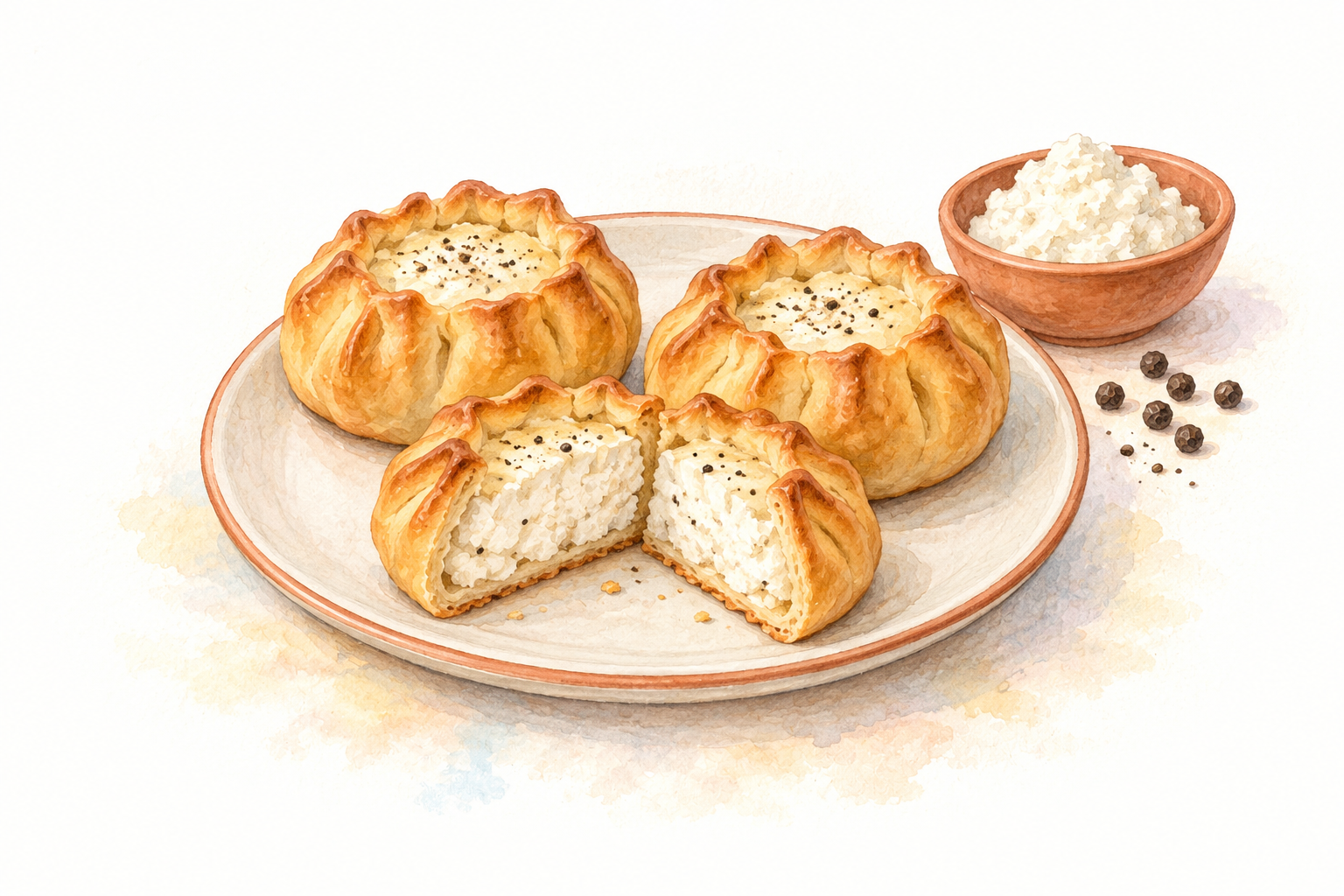
Qassatat tal-Irkotta (Maltese Ricotta Pies)
Make 10 Maltese ricotta qassatat with shortcrust pastry, a savoury cheese filling, and an open pleated top. Includes shaping and troubleshooting advice.
 70 min
Maltese · Oven
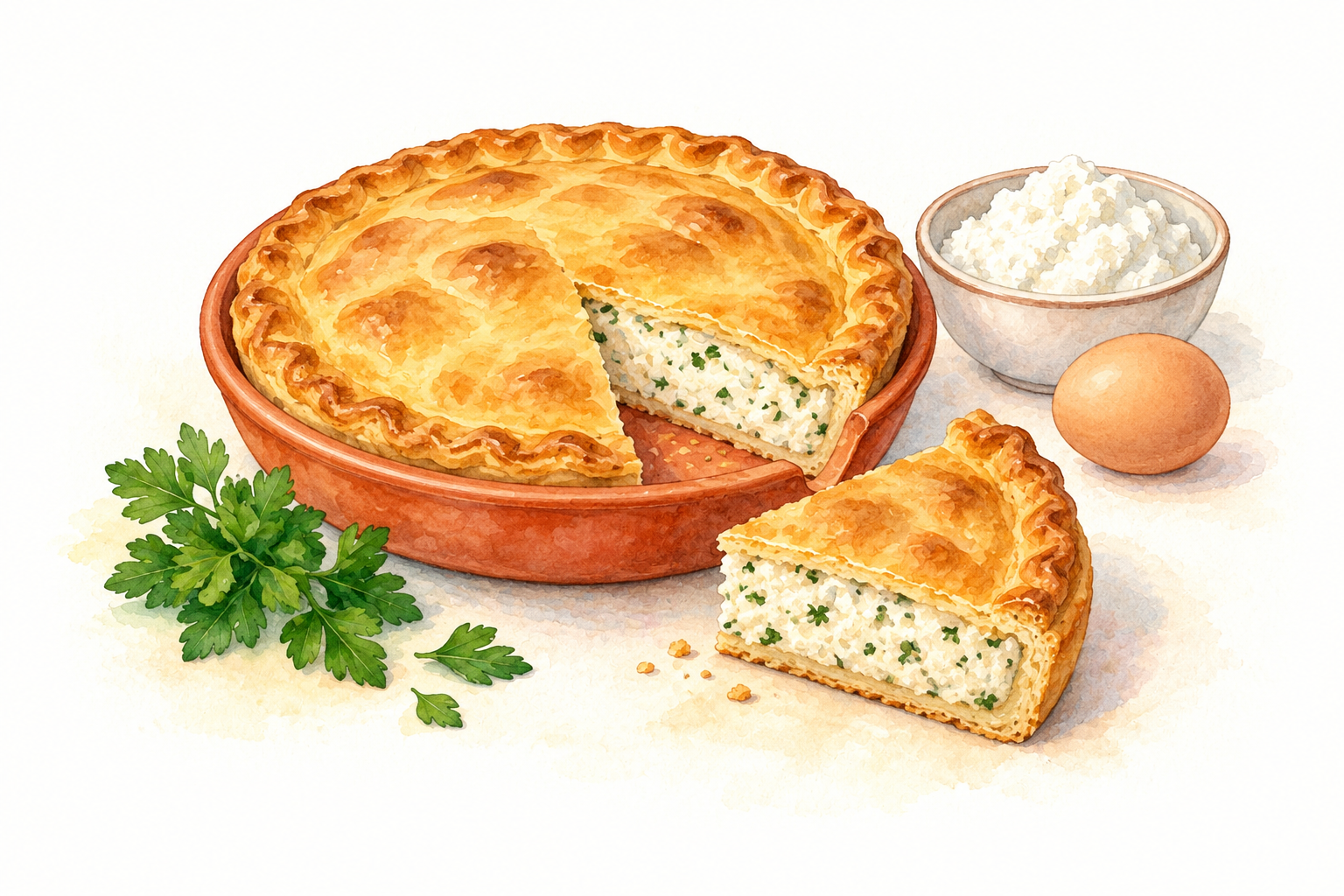
Torta tal-Irkotta (Maltese Ricotta Pie)
A traditional Maltese savoury ricotta pie with eggs, parsley, and cheese in golden shortcrust pastry. Simple, comforting, and excellent warm or cold.
 65 min
Maltese · Oven
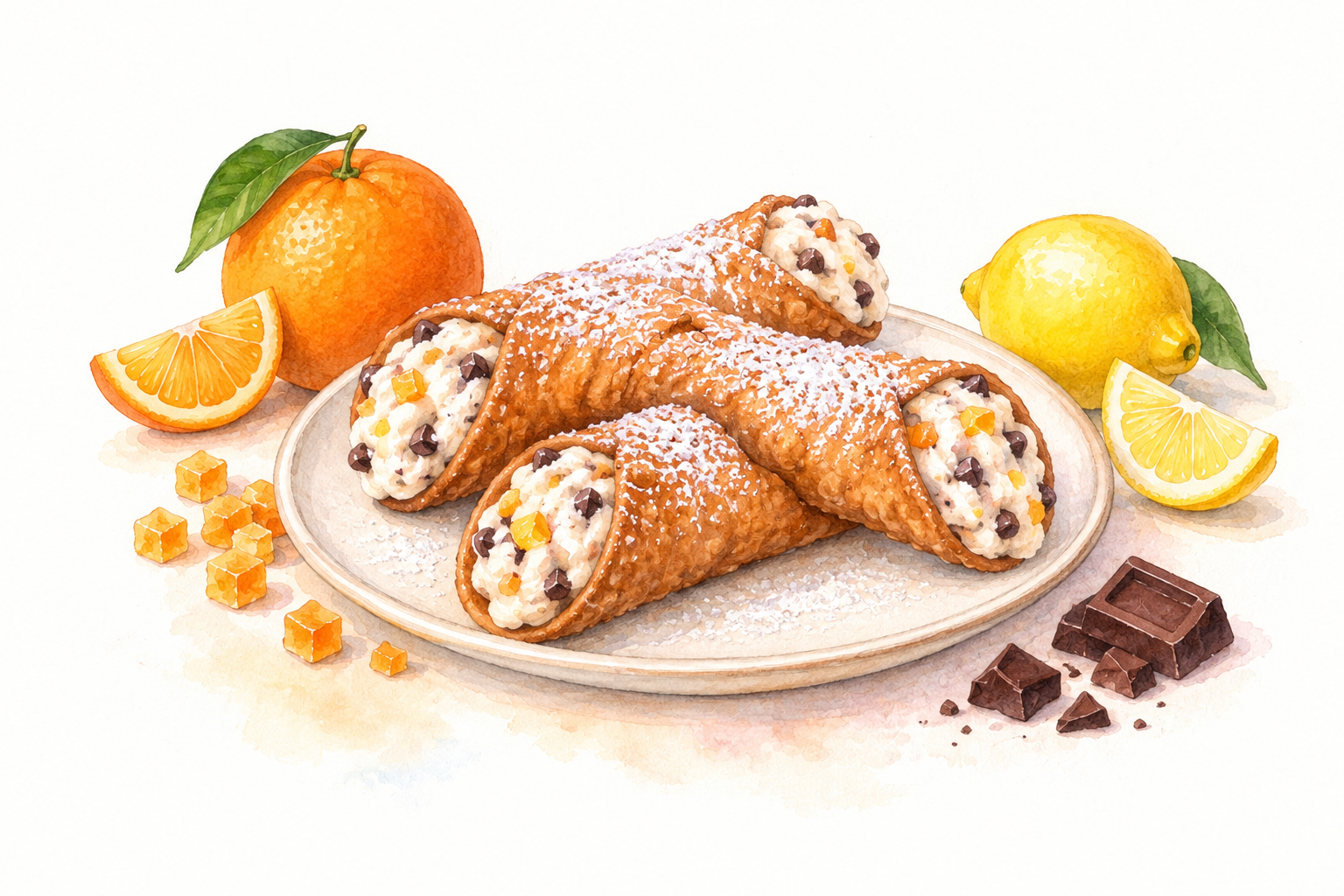
Kannoli Maltin (Maltese Cannoli)
Crisp pastry tubes filled with sweet ricotta, citrus zest, chocolate, and candied peel. A Maltese bakery favourite with Sicilian roots.